Vegas Confidential: The Colorado River Negotiations Just Got Real
And why this might be the most important blog you will read all week. You’re welcome.
Seven states. Forty million people. One shrinking river.
And a February 14 deadline that could shape the future of the American West.
If you live in Las Vegas — or you’re thinking about moving here — this story is not political noise. It’s about water in Las Vegas, long-term growth, and what sustainability really looks like for our city.
Over the past week, three major stories collided:
Colorado River states scrambling to reach an agreement before meeting with Trump administration officials
Federal modeling warning of dire outcomes if states can’t cooperate
Lawsuits right here in Las Vegas over turf bans and excessive water fees
Together, they tell one very clear story:
Water is now a housing issue.
The Big Picture: The Colorado River Is Under Pressure
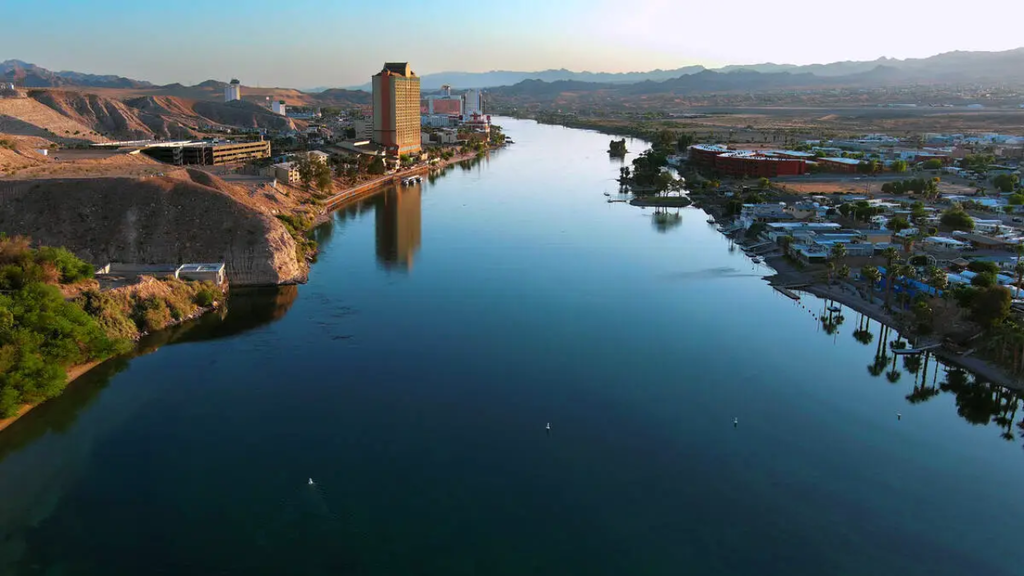
The Colorado River supplies water to major cities like Las Vegas, Phoenix, and Denver — along with farms that feed much of the West. But decades of drought and overuse have forced states into a reckoning.
Governors from all seven Colorado River states are now racing to produce any kind of agreement before the federal government steps in and imposes one.
Nevada’s lead negotiator, Colby Pellegrino of the Southern Nevada Water Authority, put it plainly:
“A 20-year deal is the platinum award. We’re ready to settle for the bronze medal.”
Translation:
A temporary five-year agreement is the best realistic outcome right now.
Not a forever solution.
A survival strategy.
Is Las Vegas Running Out of Water?
This is the question people Google every single day.
The answer: No — but the future depends on cooperation.
Las Vegas receives about 90% of its water from the Colorado River, yet Southern Nevada:
Uses less than its full allocation
Recycles nearly all indoor water back into Lake Mead
Has some of the strictest conservation policies in the country
Las Vegas is actually one of the most efficient large cities in the U.S. when it comes to water use.
That’s why Nevada is pushing hard for a negotiated deal instead of federal mandates.
Because certainty equals stability — for residents, builders, and long-term growth.
The Federal Warning: No Deal = Disaster
The Bureau of Reclamation recently released four possible alternatives for managing the river if states fail to agree. Experts were blunt: none of them are good.
Some proposals would force massive water cuts on Nevada, Arizona, and California while relying mostly on voluntary conservation from Upper Basin states like Colorado and Utah.
Water scientists warned that these plans would likely lead to:
years of lawsuits
regulatory chaos
and no long-term certainty for cities or homeowners
One expert summed it up best:
“If you come to a negotiated agreement, you give your water users certainty. Without it, you have no idea how bad it could be.”
And uncertainty is the real threat.
How the Colorado River Negotiations Affect Las Vegas Homeowners
This is where the story becomes personal.
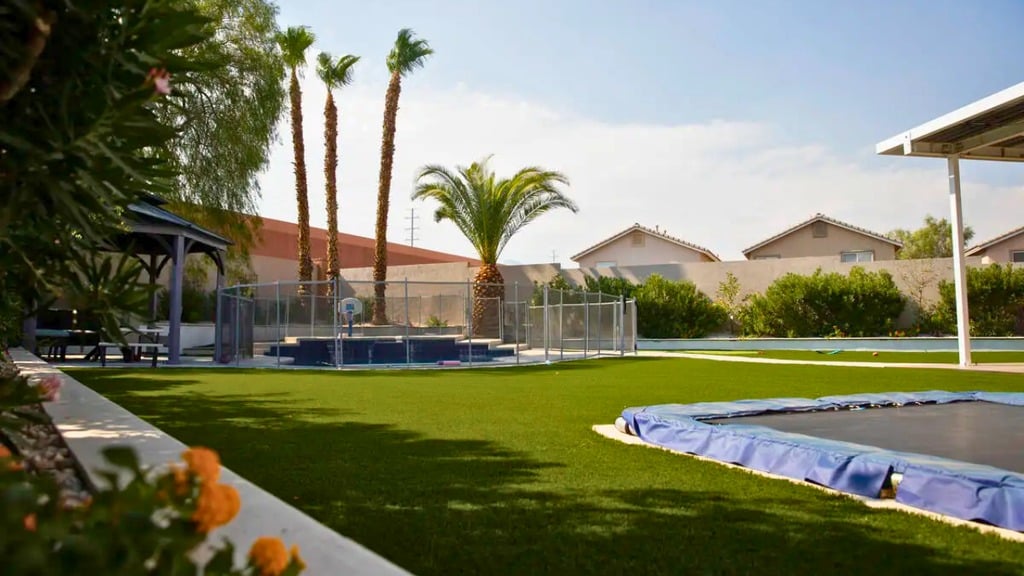
Water policy impacts:
new home construction
landscaping rules
property values
utility costs
and buyer confidence
Las Vegas has invested billions in:
water recycling systems
deep Lake Mead intake tunnels
conservation incentives
long-term infrastructure planning
This isn’t panic.
This is preparation.
And it’s exactly why Las Vegas remains one of the fastest-growing metro areas in the country.
Meanwhile in Las Vegas: Water Wars at Home
While governors negotiate in Washington, Las Vegas is facing legal battles locally.
Turf Removal Lawsuit
A lawsuit filed in January claims that mandated grass removal has killed 100,000 mature trees, causing an estimated $300 million in damage across the valley.
A judge has issued a temporary restraining order halting enforcement while the case continues.
Excessive Water Use Fees
A Summerlin attorney is suing over “excessive use” water fees, alleging his water bill increased by hundreds of percent with no meaningful appeals process.
The water district collected $32 million in one year from these fees alone.
Class Action Brewing
Homeowner advocacy groups are organizing residents who believe conservation policies have gone too far and caused property damage and loss of trust.
The tension is clear:
How do we conserve water without punishing homeowners?
What Buyers Should Know About Water in Las Vegas Before Moving Here
If you’re considering relocating — especially for retirement — this is the question I hear most:
“Is Las Vegas really sustainable long-term?”
Here’s what this moment shows:
The problem is serious
The planning is real
Nevada is actively shaping the solution
Las Vegas is not ignoring water risk.
It is negotiating, investing, and adapting.
That’s exactly what responsible cities do.
Vegas Confidential Take
This is a turning point.
The Colorado River states must either:
agree together
orfight each other in court for years
Las Vegas is caught between national negotiations and local backlash — but it remains one of the most proactive water managers in the country.
As one expert said:
“Maybe everyone has to give a little to avoid the worst-case scenario.”
And the worst-case scenario is uncertainty.
For homeowners.
For builders.
For future residents.
For the entire Southwest.
Final Thought: Why This Matters Now
Water is no longer just an environmental story.
It is a housing story.
A growth story.
A stability story.
If you’re researching:
water in Las Vegas
Lake Mead levels
the Colorado River crisis
or whether Las Vegas is sustainable
This is the moment that defines the next decade.
I’ll be watching closely — and keeping you informed.
If you’re thinking about moving to Las Vegas and want grounded, honest insight (not internet panic headlines), let’s talk. I’m always happy to walk through what this really means for homeowners here.
Subscribe and hit the notification bell over on The New Home Experts Las Vegas YouTube Channel so you don’t miss it.
Work with an expert!
GET THE LATEST COMMUNITY NEWS AND UPDATES VIA EMAIL AND TEXT
[email protected] | 702-335-4779
www.jennifergraffrealtor.com
JOIN OUR NEWSLETTER
Check out this article next